
Comparisons
SwiftRelay vs other Amazon Relay auto bookers a factual look at common alternatives.
Several Chrome tools compete on Amazon Relay refresh and booking. Store listings and prices change. Use this page as a starting point, then confirm features and pricing on each product’s current listing before you subscribe.
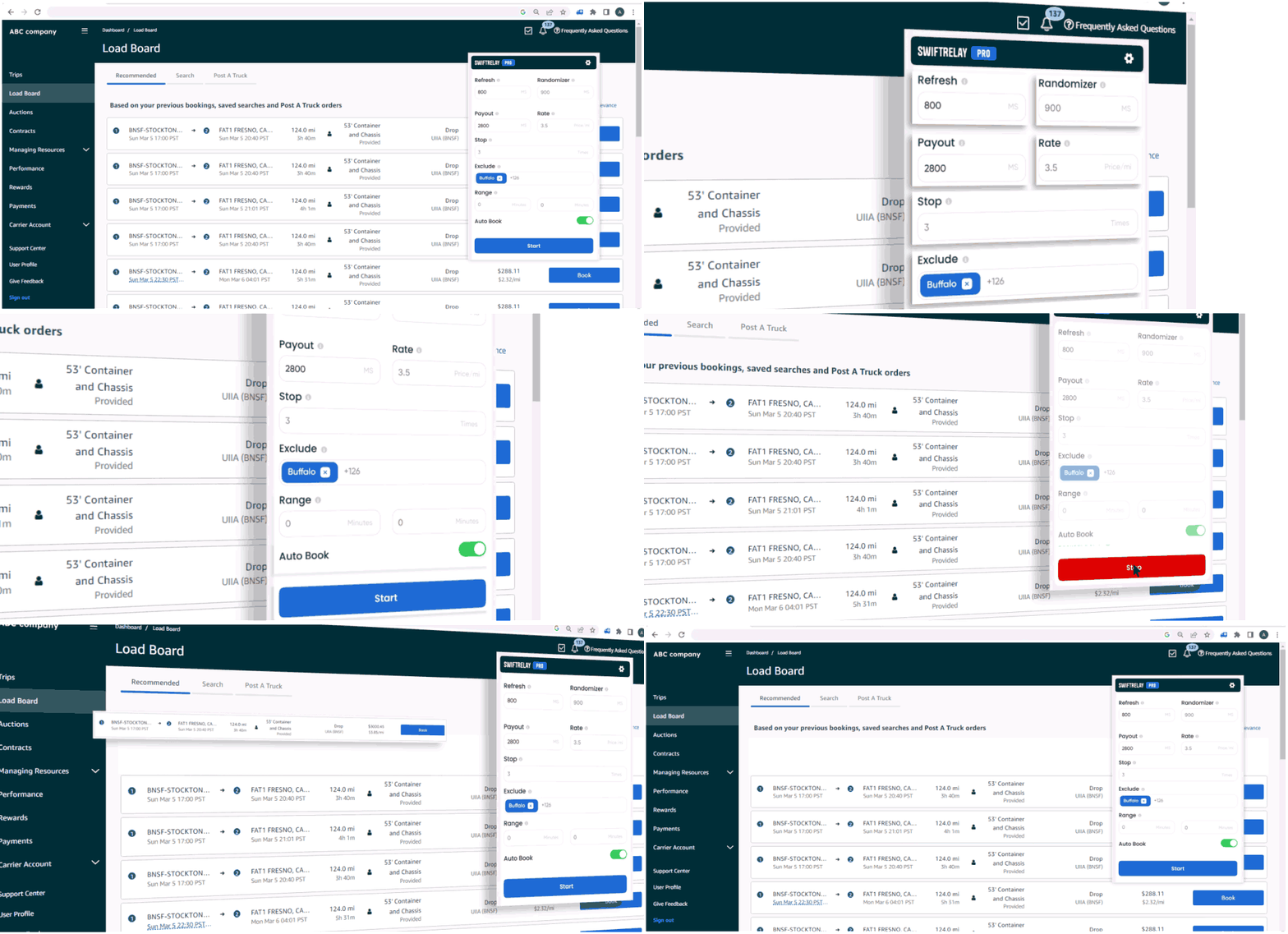
How to compare Relay automation tools
Focus on what your team needs: refresh only, filters, auto-book, multi-device seats, and any high-speed options. Check install source (Chrome Web Store vs marketing site only), plan clarity, and published policies on the vendor’s own domain.
Prices below are public signals that change. Always verify the current Chrome Web Store or vendor site before you pay.
RelayOk
RelayOk is commonly positioned in the Chrome Web Store as an Amazon Relay auto refresher and auto booker, often with load stats in its public materials.
- Typical focus: refresh and booking on the Relay board
- Pricing: subscription listed on the store page (confirm current price)
- Best for: teams evaluating store-first Relay automation options
Cardamon
Cardamon is typically listed in the Chrome Web Store as a Relay AutoBooker and Refresher under a subscription model.
- Typical focus: combined refresher and booker positioning
- Pricing: subscription on the store listing (confirm current price)
- Best for: carriers comparing store-listed booker/refresher tools
Rocket Relay
Rocket Relay markets at rocketrelaybooker.com and also appears in Chrome Web Store materials. Public pages have often cited a monthly price around the $49 range with a trial; treat that as a snapshot, not a guarantee.
- Typical focus: auto refresh, alerts, auto-book, and filters
- Pricing: check rocketrelaybooker.com and the store listing
- Best for: teams comparing a dedicated marketing site plus store install
RelayMate
RelayMate is often store-first, positioned around load management and auto booking. Public listings have appeared in a higher monthly range (around $99); confirm the live store price.
- Typical focus: load management / auto booker positioning
- Pricing: Chrome Web Store listing (confirm current price)
- Best for: carriers weighing a store-only competitor against a full product site
When SwiftRelay fits
SwiftRelay combines board refresh, filters, and optional auto-book in one Chrome extension, with Lite ($49.95), Pro ($74.95), and Enterprise ($349) plans on swiftrelay.io. Enterprise adds Speed Optimizer for high-volume posting windows.
Choose SwiftRelay when you want clear tiers, filters plus auto-book on higher plans, Enterprise speed tools, and product docs (terms, privacy, return policy, and guides) on the same domain as pricing.
- Lite: refresh, filters, and highlights without auto-book
- Pro: auto-book with full filter control
- Enterprise: Speed Optimizer for the fastest posting competition
Next steps
Read the auto booker and auto refresher guides for product detail, then install from the Chrome Web Store if you want to try SwiftRelay. Compare live competitor listings the same day you decide, because features and prices move.
Frequently asked questions
- Are competitor prices on this page guaranteed?
- No. Competitor prices and features change. Treat any dollar amounts here as historical public signals and verify each Chrome Web Store or vendor site before you subscribe.
- Which Amazon Relay auto booker should I choose?
- Match the tool to your workflow. If you only need faster refresh and filters, a Lite-style plan may be enough. If you need automatic booking, compare Pro-style features. If posting speed is the bottleneck, look for high-speed options such as SwiftRelay Enterprise Speed Optimizer.
- Is it safe to use a third-party Relay extension?
- Install only from trusted sources such as the official Chrome Web Store listing for that product. Follow Amazon Relay terms and your carrier agreements. Compliance remains your responsibility.
- Does SwiftRelay offer a trial?
- Yes. Install from Chrome, sign in on relay.amazon.com, and open SwiftRelay. Your 7-day trial starts on first use with no checkout on this site. One trial per carrier, not per user.